
 Français
 Español
 Deutsch
 Nederlands

 CBD
 CBN
 HEADSHOP
 Adaptogenic mushrooms

How to price CBD flower in your shop: floor price, multiplier and tiers
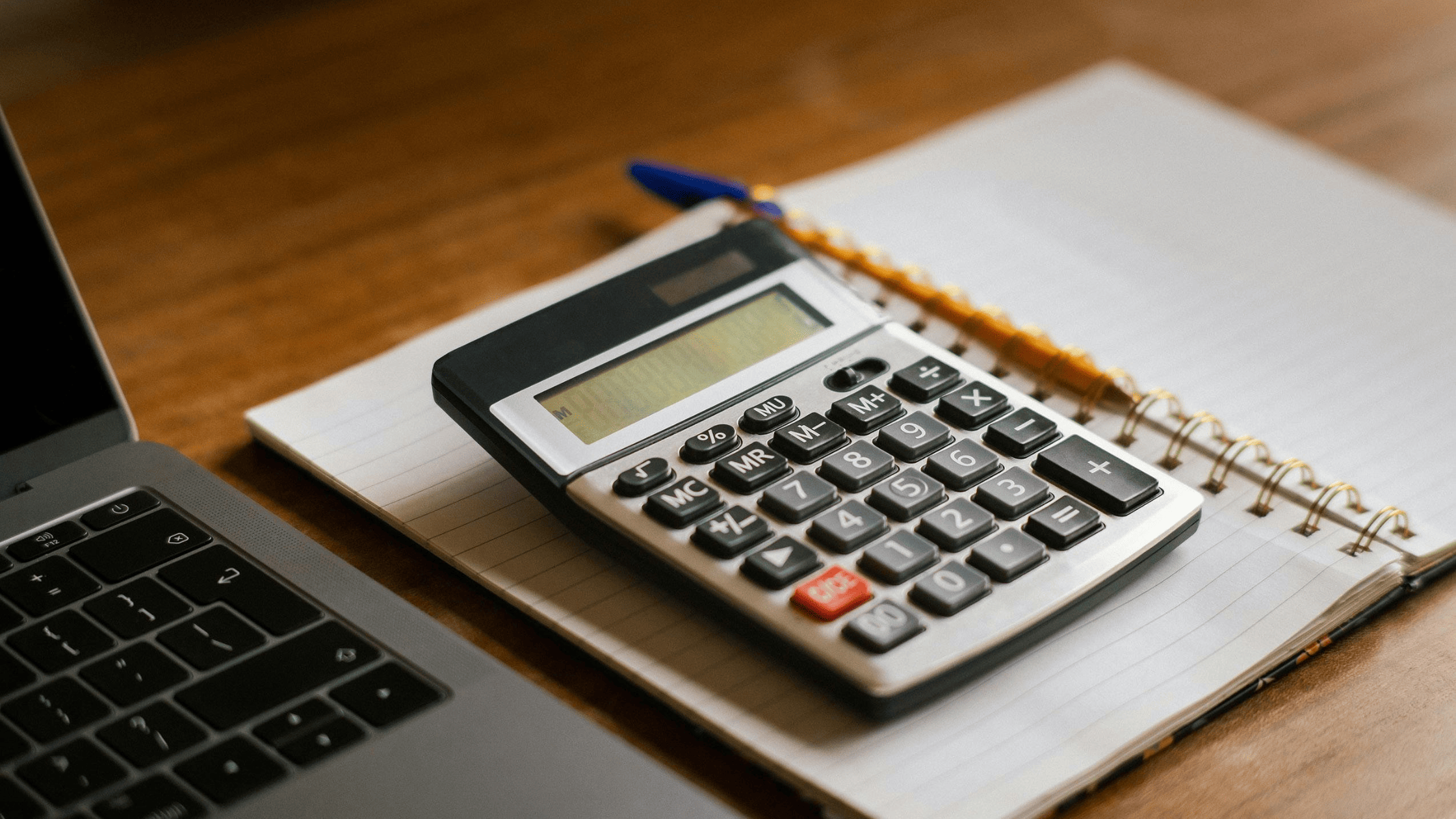
Set the price of a CBD flower from your own costs, not from a competitor's board. Work out your floor price, apply a multiplier that fits your location, then spread your flowers across clear price tiers.
1. Calculate your floor price first
Include every real cost, not just the supplier price
Your selling price has to absorb all your costs:
- purchase price excl. VAT;
- carriage;
- bank and card fees;
- rent and fixed costs;
- wages;
- losses and unsold stock;
- VAT.
Floor price = the minimum below which you sell at a loss.
In a high-street shop, the multiplier on the purchase price is generally between 2.2 and 3, depending on location and volume.
Example: if you buy a flower at €1.50 per gram excl. VAT, the shelf price in a French shop will often sit between €5 and €9 per gram, depending on positioning and area. These figures are an illustration, not current prices: our trade prices are shown on each product page.
To build the range, see all our trade CBD flowers.
2. Price according to the range tier
A clear hierarchy raises the average basket
Not every flower should cost the same. Customers notice the look, the consistency and the positioning.
- Entry level: outdoor growing, attractive price.
- Mid-range: greenhouse growing, balance of quality and price.
- Top of the range: hydro or indoor growing, premium position.
A common mistake is putting the whole range at one price. Customers then have no reason to trade up, and your overall margin falls.
For each tier: outdoor flowers for your entry price, greenhouse flowers for the middle and hydro flowers for the premium tier.
3. Adjust to your local market
The price per gram depends on where you are
A busy town centre does not charge what a rural shop charges. Look at:
- the average price per gram near you;
- local spending power;
- how competing shops position themselves.
What works: keep one visible "door-opener" product in the window and give the rest of the range a more comfortable margin.
4. Build compliance into your pricing
Sell a compliant product, not a promise
Our flowers comply with French law (delta-9-THC no higher than 0.3%), with traceability and documentation. The status of hemp flower varies by country and can be stricter, and in the UK it remains contested: check the resale rules where you trade before you set up your range.
Your price communication must not contain any health or wellbeing claim. You are selling a compliant hemp product, not a promise. And a price that is suspiciously low can damage your shop's credibility.
5. Plan how your prices will change
Good pricing moves
Your strategy should cover:
- volume discounts;
- occasional offers;
- moving slow-selling references on;
- seasonal adjustments.
What counts is not just the price per gram, but the profitability of the shop as a whole.
6. Common pricing mistakes
- Copying a competitor's prices without your own calculation.
- Underestimating fixed costs.
- Not splitting the range into tiers.
- Running promotion after promotion without a plan.
A profitable shop sells smartly, not necessarily cheaper.
The method in one line
Profitable price = controlled costs + clear positioning + a structured range. Calculate your break-even point, organise your tiers, study your local market and protect your margin. To widen your offer, see the full Deli Hemp Pro CBD range.


