
 Français
 Español
 Deutsch
 Nederlands

 CBD
 CBN
 HEADSHOP
 Adaptogenic mushrooms

CBD flower terpenes: how to describe aromas in a shop without promising effects
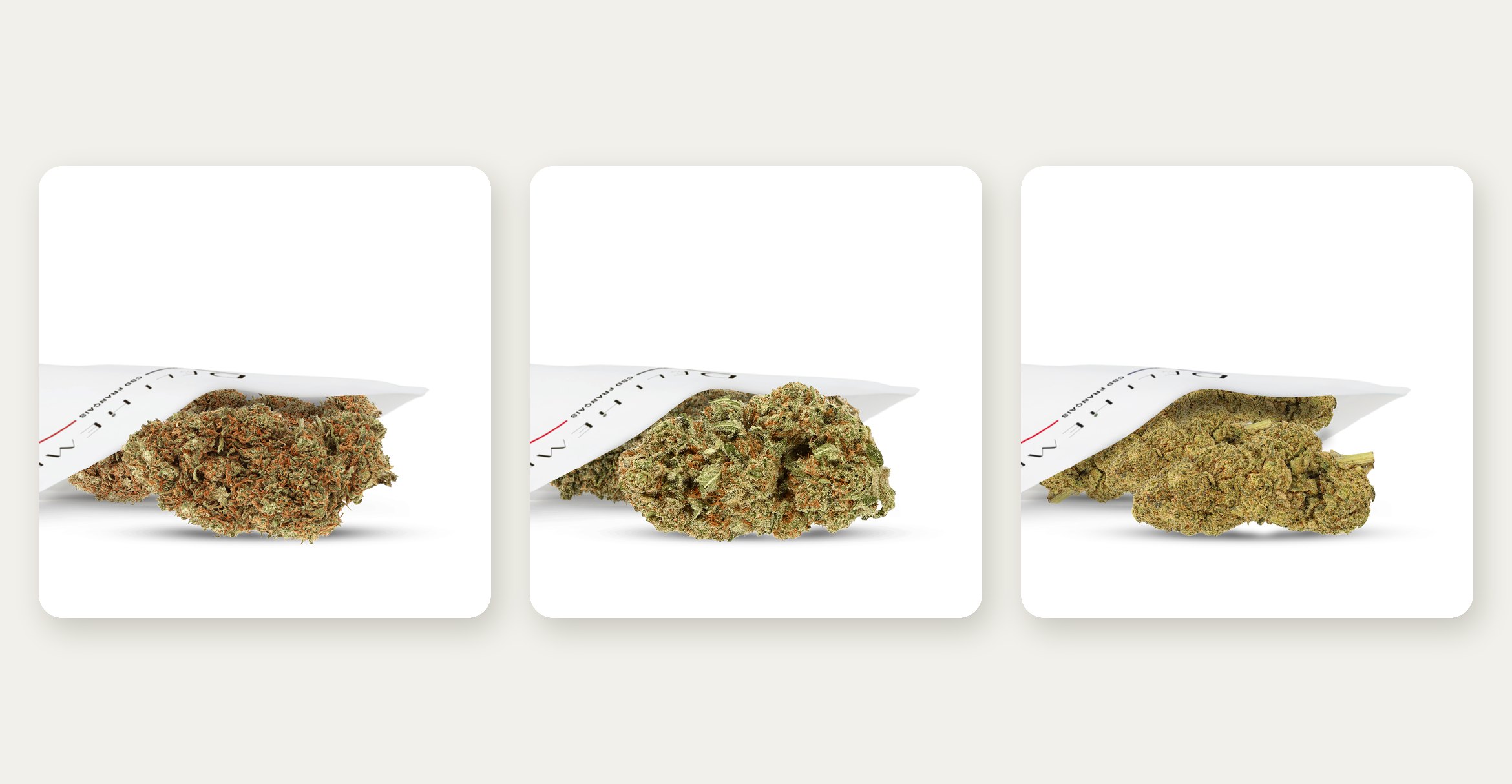
Terpenes are the molecules that give hemp flower its smell: lemon, pine, pepper, damp earth. In a shop, they serve one purpose, which is helping customers choose in words they understand. They are not there to promise an effect, and that is where a lot of product descriptions go wrong.
Here are the five terpenes worth knowing, the vocabulary that goes with them and a simple way to present your flowers by aroma.
What exactly is a terpene?
A terpene is an aromatic compound produced by many plants. The same limonene is found in lemon zest and in some hemp flowers, and pinene in pine needles and rosemary. On hemp, terpenes are concentrated in the trichomes, the small sticky glands that cover the flower.
Each strain produces its own blend. That is why a Kush smells of earth and wood, while a Haze leans towards citrus. But the blend shifts from one harvest to the next: genetics set the tendency, and growing conditions, harvest date, drying and storage do the rest. Two batches with the same name can therefore smell different, and that is normal.
Which 5 terpenes should you know to talk about a flower?
These five cover most of the smells your customers describe. The flower examples reflect the aromas you notice when you open the pouch, not a lab analysis.
| Terpene | Smell | Also found in | Where to look in the catalogue |
|---|---|---|---|
| Limonene | Lemon zest, orange | Citrus peel | Lemon OG Indoor, Amnesia 2.0 Hydro |
| Myrcene | Earthy, musky, very ripe fruit | Hops, mango, thyme | Bubba Kush Big Bud Outdoor |
| Pinene | Pine, resin, fir | Rosemary, pine needles | In the background of many Hazes |
| Linalool | Floral, lavender | Lavender, coriander | A subtle note, rarely dominant |
| Caryophyllene | Black pepper, clove | Pepper, cinnamon | A peppery edge at the end on Kush and OG strains |
So-called "dessert" flowers, such as Payton Strawberry Hydro or Guava Gelato Hydro, combine several terpenes and other aromatic compounds. There is no point looking for a single molecule: describe what you smell, whether strawberry, guava or cream.
How should you present the aromas of your flowers in store?
Arrange your flowers by aroma family rather than by strain name. A customer who has never heard of "Bubba Kush" immediately understands "earthy and woody". Four families are enough:
- Citrus and fresh: lemon, grapefruit, cut grass. For example, Lemon OG Indoor and Amnesia 2.0 Hydro.
- Fruity and sweet: strawberry, grape, tropical fruit, sweets. For example, Payton Strawberry and Guava Gelato.
- Earth and wood: forest floor, leather, mild spice. For example, Bubba Kush Big Bud Outdoor.
- Spicy and floral: pepper, lavender, incense. Less common, often a secondary note.
On each label or product card, give three descriptors at most, from strongest to faintest. For example: "Lemon, earth, a hint of pepper". It is short, anyone can check it, and the whole team can repeat it the same way.
Keep one reference jar per line that customers can smell without touching. It is the best sales argument a flower has, and it heads off complaints along the lines of "it doesn't smell like the label".
One last tip: smell every new batch when it arrives and update the label if needed. A strain sold as fruity can come out earthier in a given harvest.
Browse wholesale CBD flowers by growing method and aroma
Which words should you avoid on a label or product card?
Anything that describes an effect on the body or on mood: "relaxing", "helps you sleep", "anti-stress", "soothing", "energising". A CBD flower is not a medicine, and a claim of that kind exposes the shop in an inspection (in France, by the DGCCRF, the consumer protection authority).
The same trap exists with terpenes. You will read everywhere that myrcene "relaxes you" or that limonene "lifts your mood". Those are claims about an effect, and they have no place on packaging or in a sales pitch. Stick to smell, taste, appearance and growing method.
Be just as careful with figures: never state a terpene percentage that you don't have on a lab report. "Rich in limonene" can only be justified by a measurement; "citrus notes" can be justified by your nose.
Last, check what you are allowed to sell at all. Our flowers comply with French law (delta-9-THC ≤ 0.3%), but the status of hemp flower varies between countries and remains contested in the UK, so check the resale rules where you trade before ordering.
Do growing method and storage change how a flower smells?
Yes, and storage even more than growing. Terpenes are volatile: heat, light and air make them evaporate or oxidise. A flower left in an open jar in a sunny display cabinet loses much of its aroma within a few weeks.
Growing method plays a part too. Indoor or hydroponic cultivation, where temperature and humidity are controlled, gives more consistent batches from one harvest to the next. That does not guarantee a more fragrant flower: a well-dried outdoor can smell stronger than a badly stored indoor. Compare batches, not growing labels. You will find the Deli Hemp flowers sorted by growing method in our indoor and hydroponic categories.
In practice: an airtight, opaque container, a steady temperature of around 15 to 20 °C, one strain per container so that aromas don't mix, and a turnover that clears the stock in four to six weeks.
Frequently asked questions
What is a terpene in a CBD flower?
It is an aromatic molecule produced by the plant and concentrated in the flower's trichomes. Terpenes give the smell and part of the taste: citrus for limonene, pine for pinene, earth and musk for myrcene, pepper for caryophyllene, lavender for linalool.
Can you say that a flower rich in myrcene is relaxing?
No. Attributing an effect on the body or on mood to a CBD flower, or to one of its terpenes, is a health claim, and it has no place on a label or in a sales pitch. Describe the smell, taste, appearance and growing method, nothing more.
Why don't two batches of the same flower smell the same?
Genetics set a tendency, but the aroma profile also depends on growing conditions, harvest timing, drying and storage. Two harvests of the same strain can therefore differ. Smell each batch when it arrives and update your descriptions.
How do you keep CBD flowers smelling fresh in a shop?
Store each strain in an airtight, opaque container, somewhere cool, away from light and sources of heat. Keep a single reference jar open for display, and order quantities you can sell within four to six weeks.


