
 Français
 Español
 Deutsch
 Nederlands

 CBD
 CBN
 HEADSHOP
 Adaptogenic mushrooms

CBD hash guide for retailers: extraction methods, textures and sourcing
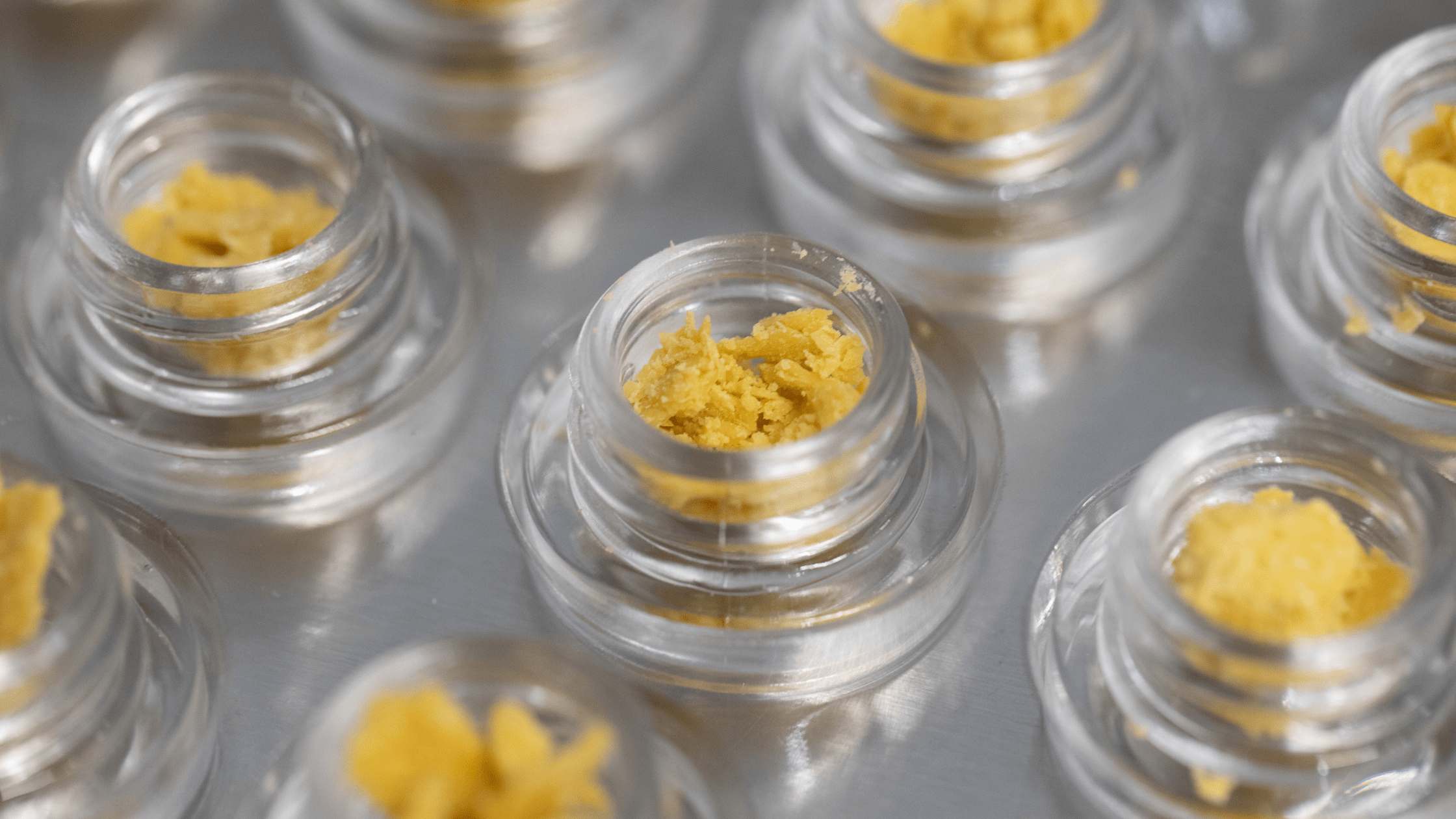
CBD hash is one of the fastest-growing hemp categories in the B2B market. For a retailer, adding a selection of premium CBD resins such as Black Butter brings in customers looking for an alternative to flower. To buy it well, you need to understand how hash is made, what its texture tells you and which documents to ask for. This guide covers each point.
Why stock CBD hash?
A category in demand
CBD hash attracts customers who want something other than traditional hydroponic CBD flowers or outdoor buds. For a retailer or a wholesaler, broadening the range with hash puts you in a growing segment that follows the latest trends in the legal hemp market.
A strategic segment for specialist distributors
Demand for new CBD products has made hash a must for specialist distributors. Professional CBD hash comes in a wide variety of textures, profiles and extraction methods, which appeals to retailers who want to diversify. It also lets a shop stand out with products that have a strong visual identity and a quality-controlled source.
What is CBD hash, and what are the rules?
Hash, pollen and flower: getting the terms right
In legal hemp, it is essential to tell CBD hash, CBD pollen and hemp flowers apart. Hash is usually made by separating the trichomes from the plant, then pressing them into a compact paste. Pollen is more crumbly and usually less worked. Getting these distinctions right helps a retailer shape the range and describe products accurately to customers.
The legal framework for selling CBD hash
In France, CBD hash must comply with French law: delta-9-THC no higher than 0.3%. As a distributor, buy from certified suppliers and check each product's compliance with a certificate of analysis. Full traceability of every batch you sell is also required. Outside France, the status of hemp resin varies and can be much stricter (in the UK, even the status of hemp flower is still contested), so check the resale rules in your country before ordering.
How is CBD hash extracted?
Dry sift, ice-o-lator, pressing: which methods to favour?
The extraction method directly shapes the quality and texture of the finished hash:
- Dry sifting gives a powdery hash.
- The ice-o-lator method, extraction with iced water, gives a purer resin.
- Heat pressing adjusts the density of the product.
For CBD professionals, choosing products made with well-controlled extraction methods is the best guarantee of consistency and reliability.
How extraction affects quality and shelf life
Extraction methods affect not only how the hash looks but also how well it keeps. A well-extracted, well-pressed hash holds its appearance and texture for longer. For a retailer, that means fewer losses on the shelf and a better customer experience. Choose references from controlled processes, such as the Deli Hemp Double Zero resin, to keep your range at a steady level of quality.
Texture and appearance: how to spot premium CBD hash
Oily, crumbly or compact: identifying textures
CBD hash can have several textures depending on its origin and extraction method: oily (often fresher), crumbly (often dry-sifted) or compact (pressed). Understanding these differences helps you match your selection to your customers' preferences. It is also useful when you write product descriptions or present the hash in store.
Visual signs of a quality hash
Colour, fineness of grain, the absence of visible impurities and an even texture are the key quality indicators for CBD hash. A well-finished product looks uniform, has a controlled density and does not crumble excessively. Learn to read these visual cues before you list a new reference.
Building a coherent CBD hash range
Lebanese, Afghan, Moroccan: varying the profiles
The CBD hash market draws on the great hashish traditions: Lebanese, Moroccan, Afghan. These names refer to different styles and textures, sometimes recreated from hemp varieties grown in Europe. A varied hash range satisfies demanding customers who are curious to try products inspired by the classics.
Matching your hash offer to your customers
CBD shops, tobacconists and specialist stores do not all serve the same customers, so it makes sense to segment your offer: soft-textured hash for city-centre shops, firmer resins for rural areas, and so on. Adapting the selection to each sales channel is how you get the most out of your bulk CBD hash.
Certificates, compliance and THC: what to check
Why certificates of analysis are essential
For professional resellers, a certificate of analysis for each hash is essential. It documents the traceability of the product, the quality of the hemp extract and compliance with the THC limit. It should come from an independent laboratory and detail the product's composition. It is your proof of compliance, and it builds your credibility with customers and inspectors alike.
THC at or below 0.3%: how to guarantee compliance
Under French law, delta-9-THC must not exceed 0.3%. Make sure your suppliers respect that threshold. That means systematic batch testing, careful selection of certified hemp producers and transparent paperwork. Getting this right protects you from legal risk and keeps your whole catalogue compliant.
Where to buy CBD hash wholesale
Choosing a reliable CBD hash wholesaler
Choose a CBD hash wholesaler on a few key criteria: product traceability, legal compliance, certifications, delivery times and reputation. Favour suppliers who specialise in CBD for professionals, with complete technical sheets and up-to-date lab results. A lasting relationship with a trusted supplier keeps your supply regular and secure.
European or international sourcing?
Sourcing CBD hash in Europe generally means shorter delivery times, fewer customs costs and products made to European standards. International sourcing can offer more variety, but it calls for extra care over legal compliance and import paperwork. Weigh the logistical and regulatory pros and cons of each option against your needs.
Storage, packaging and display
Storing CBD hash: temperature, light, humidity
Good storage keeps the texture, look and chemical make-up of the hash intact. Store CBD resins somewhere cool, dry and away from light. Swings in temperature or too much humidity can damage the product. Set up proper storage in the back room as well as on the shelf.
Attractive, compliant packaging
Packaging plays a big part in selling hash. It must appeal to the customer and comply strictly with labelling rules. Cannabinoid content, THC level, origin of the hemp and batch number must all be clearly shown. Careful packaging strengthens the brand and the professional image of the shop.
Frequently asked questions
Can CBD hash be sold in France?
Yes. When this guide was written, in August 2025, the sale of CBD resin in France was allowed provided the product complied with French law (delta-9-THC no higher than 0.3%) and came from certified industrial hemp. Retailers must be able to show a certificate of analysis for each reference. In other countries the rules differ, so check locally.
Which CBD hash suits an online shop, and which a physical store?
For an online shop, favour a varied offer with detailed product pages and packaging designed for shipping. In a physical store, the look and texture of the hash drive the sale, as does the reputation of the style (Lebanese, Afghan, Moroccan). In both cases, check the compliance and quality of every product you list.


