Français
 Español
 Deutsch
 Nederlands

 CBD
 CBN
 HEADSHOP
 Adaptogenic mushrooms

Bulk CBD resin: production methods, lab reports and real cost
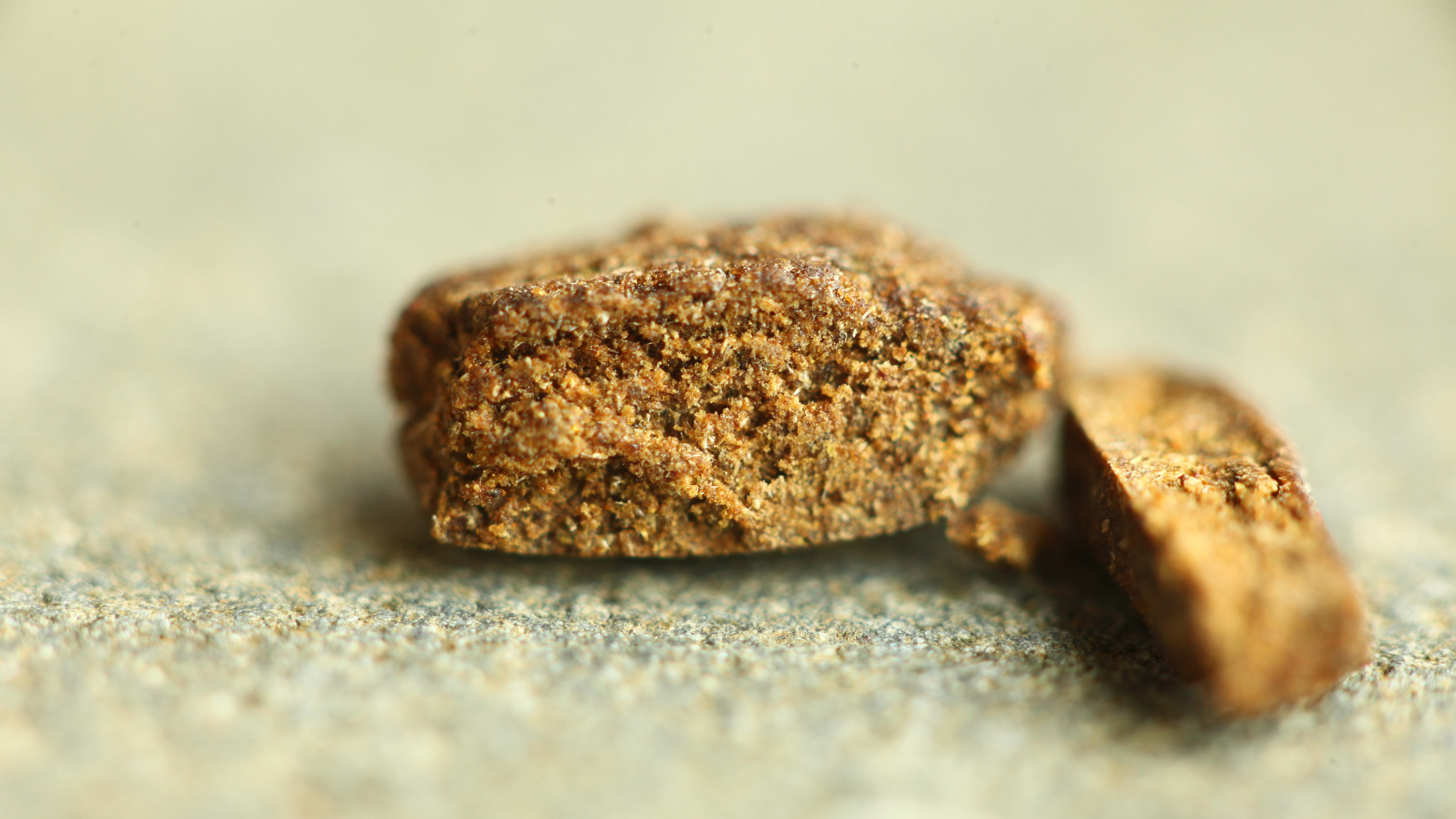
To choose a bulk CBD resin, rely on criteria you can measure: texture, grain, colour, cannabinoid content backed by a COA and the production method. Then check the supplier's documents and work out the full landed cost, not just the price per kilo. Here is how to do each step.
Which bulk CBD resin suits a professional shop?
Texture, method and hemp origin
Look at the texture (dry, pressed pollen, malleable hash), the grain, an even colour, the cannabinoid content checked against a COA and the production method: dry sift, ice-o-lator (ice water), rosin (heat pressing) or resin enriched with CO2 extracts. Favour batches made from European industrial hemp of listed varieties, with clear origin information and stable quality from one batch to the next. Technical sheets should give the composition, the process and the analysis references.
For a quality-led range, also compare the look (even pressing, no visible impurities) and whether photos match samples. A resin such as Beldia 20% CBN, sold with its batch documentation, shows what a well-documented premium line looks like. Poorly documented offers from a resin wholesaler are harder to trust.
Compliance and traceability
A reliable supplier formalises traceability for every batch: recent third-party COAs (cannabinoid profile, pesticides, heavy metals and residual solvents where extraction is involved), a unique batch number, consistent neutral labelling, labels that match batches and dated technical sheets. Our products comply with French law (delta-9-THC no higher than 0.3%). The status of hemp flowers, resins and other hemp products varies from one country to another and can be stricter than in France. In the UK, the status of hemp flower remains contested, so check the resale rules in your own country before you order. Also check that the supplier has a written quality policy covering recalls and record-keeping.
To make buying safer, ask for sealed samples, high-resolution photos and the analysis history across several restocks. For resins sold as THC-free, the THC line of each COA matters even more.
Which production methods set premium CBD resins apart?
Dry sift, ice-o-lator, rosin and CO2 extracts
Each process leaves its mark. Dry sift gives a fine, even grain. Ice-o-lator resin, made with ice water, isolates clean trichome heads. Rosin concentrates mechanically with heat and pressure, without solvents. Adding CO2 extracts raises the concentration for high-percentage resins.
The method affects texture (crumbly or malleable), density, batch stability and how repeatable production is. For a professional range, look for documented processes, controlled parameters (temperature, pressure, time), clean pressing with no suspicious lumps and careful presentation.
How to read a CBD lab report
A "high-percentage" claim must be backed by clear analyses: mass percentages, measurement uncertainty, test method, date and laboratory. Compare premium resins on total CBD (CBD + CBDA), any other cannabinoids such as CBG and how consistent the values are from batch to batch, and confirm the delta-9-THC result. A serious European supplier states its target ranges, its restock plan and its testing strategy: sampling, frequency and how samples are kept.
How do you vet a CBD resin wholesaler before ordering?
Documents to ask for
Before committing, ask for third-party COAs by batch, proof that labels match batches, full technical sheets (composition, method, tolerances), safety data sheets (SDS) where relevant, quality certifications (ISO 9001 or 22000, HACCP, GACP where applicable) and a description of procedures: goods-in checks, retained samples, recalls. Check where each stage takes place (growing, extraction, packing) and where the industrial hemp comes from. A transparent supplier can also show which analyses are run (pesticides, PAHs, heavy metals) and evidence of internal or external audits.
Supply and logistics
Ask about real stock levels, MOQs, price tiers, the dispatch cut-off, carriers (express or economy), insurance, tracking, delivery terms (incoterms) and lead times. Request a restock calendar for each line, alternatives if stock gets tight and an after-sales procedure for returns and exchanges. A solid wholesaler gives a clear table of trade prices, per kilo and per unit, along with opening bundles and visible extra costs (packaging, documents, transport). Orders leaving France ship by Chronopost across Europe, with costs calculated by weight and shown in the basket.
What is the real cost of bulk CBD resin, and what margin can you hold?
Working out the landed cost
Do not stop at the headline price. Work out the landed cost: price per kilo, volume tiers, transport, payment fees, packaging, preparation and any local taxes. Compare several scenarios, mixing premium lines and core-range resins, and see how much difference steady lead times and secure volumes make. The best-selling CBD resins on Deli Hemp Pro are a good reference point for the core of a range.
Range and positioning
Build a clear range: a base of regular resins that sell quickly, plus a few distinctive premium lines. Segment by process (dry sift, ice-o-lator, rosin, CO2 extracts), by cannabinoid content and by origin. A wholesaler with a structured catalogue, accurate photos and a clear restock plan helps you match your price and volume positioning to real demand. Our current offers are on the Promotions page.
How do you avoid surprises on delivery?
Reference samples, goods-in checks and records
Before the first order, approve a sealed sample and create a reference sheet for it. On delivery, check the goods visually (even pressing, no foreign matter), check the batch number, the COA and that the label matches the parcel, then file everything: COA, delivery note, correspondence. Keep a log of non-conformities and corrective actions. That discipline makes bulk resin buying more reliable and any later audit simpler.
Packaging and labelling
Insist on clean, consistent labelling (product name, batch, weight, composition, contact), EAN/GTIN barcodes, multilingual notices where needed and tamper-evident seals. The supplier should be able to adapt the packaging to bulk, pouches such as the large doypack pouches, or boxes. A resin wholesaler that gets these details right cuts handling errors and gets products on the shelf faster, with neutral wording and no health claims.