
 Français
 Español
 Deutsch
 Nederlands

 CBD
 CBN
 HEADSHOP
 Adaptogenic mushrooms

10-OH-HHC, 8-OH-HHC, CBG9, CBNo, CBC: the neo-cannabinoids of 2024 explained
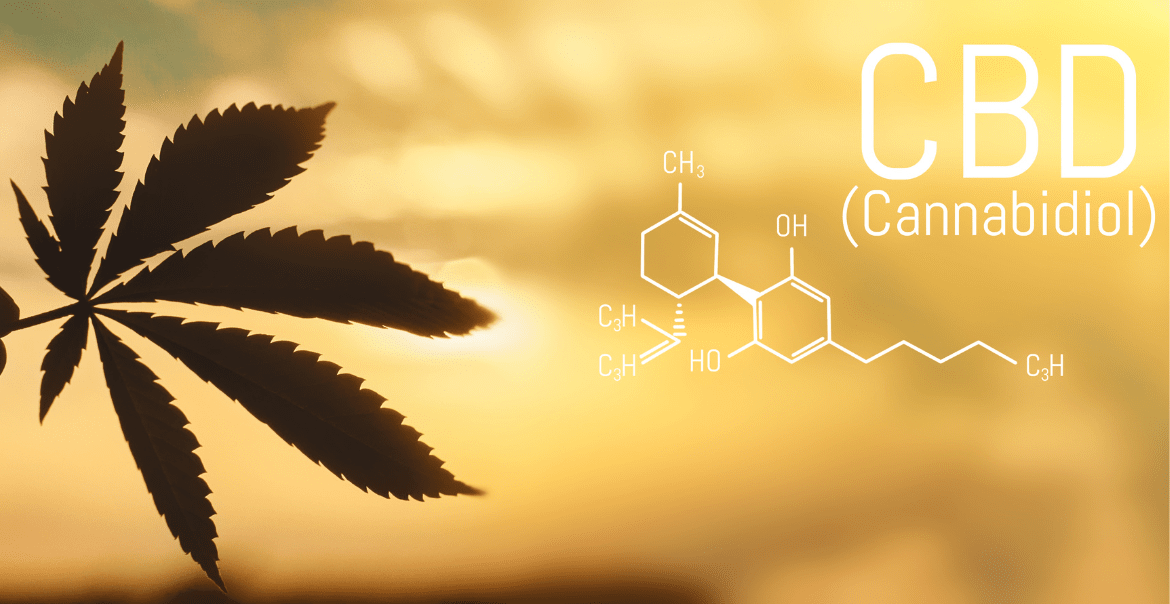
In June 2024, a new wave of neo-cannabinoids reached the European market: 10-OH-HHC, 8-OH-HHC, 10-OH-HHCP, CBG9 and CBNo, alongside CBC, a cannabinoid the plant produces naturally. This article, first written that month, sets out what each compound is chemically. It describes no effects and gives no advice on use: the research is thin, and the legal status of these molecules has been moving fast.
Several of these substances are classified as narcotics in France and in other European countries, and their status changes quickly. Check the law in your own country before buying or reselling any of them.
Why neo-cannabinoids drew so much interest in 2024
When they appeared, these molecules were presented as compounds that could broaden the cannabinoid market, and some were described as non-psychoactive. Each new compound also feeds research into the endocannabinoid system, the network of receptors in the body that cannabinoids act on. None of the health promises made for them at the time was backed by solid studies, and a shop should repeat none of them.
1. 10-OH-HHC (10-hydroxy-hexahydrocannabinol)
10-OH-HHC is a synthetic metabolite derived from HHC, itself a hydrogenated form of THC. It carries a hydroxyl group added at position 10 of the molecule. That change may alter the way it binds to the body's cannabinoid receptors, in particular CB1 and CB2, and so the way it is absorbed and acts. How much, nobody can yet say with confidence.
2. 8-OH-HHC (8-hydroxy-hexahydrocannabinol)
8-OH-HHC is a close variant of 10-OH-HHC, with the hydroxyl group at position 8 instead. A small shift like this can make a noticeable difference: the position of a hydroxyl group affects how a molecule interacts with the CB1 and CB2 receptors.
3. 10-OH-HHCP (10-hydroxy-hexahydrocannabiphorol)
10-OH-HHCP is a variant of HHCP with a hydroxyl group added at position 10. The modification comes with an extended side chain and a shifted hydroxyl position, which could strengthen its binding to the CB1 and CB2 receptors. Since these receptors regulate many biological processes, any change in binding can change the compound's pharmacological profile.
4. CBG9, a derivative of cannabigerol
CBG9 appears to be a derived or synthetic version of cannabigerol (CBG), a cannabinoid that is not psychoactive. Little reliable information was available on it in 2024. For comparison, natural CBG is sold in conventional forms, such as our filtered 50% CBG resin.
5. CBNo, a new form of cannabinol
CBNo seems to be a variant or derivative of cannabinol (CBN), a cannabinoid found in the hemp plant. Beyond its kinship with CBN, almost nothing was documented about it when it reached the market.
6. CBC, cannabichromene
CBC (cannabichromene) is different from the five compounds above: it occurs naturally in the cannabis plant and is not psychoactive. It interacts with the endocannabinoid system through several receptors, and researchers are studying it, but those studies do not support any claim a retailer could make on a label.
In which forms were these compounds sold?
Neo-cannabinoids reached shops as flowers, resins and extracts. Our HDH flowers category and CBN products such as the Beldia 20% CBN resin show the kinds of format involved.
Whatever the format, the base hemp products Deli Hemp supplies comply with French law (delta-9-THC ≤ 0.3%). Rules on hemp flower, resin and other hemp products vary between countries and can be stricter; in the UK, the status of hemp flower is still contested. Check what you may resell before ordering.
The ANSM's role in monitoring neo-cannabinoids
In France, the ANSM (the national agency for the safety of medicines and health products) monitors cannabinoids and neo-cannabinoids. Its job is to make sure that health products on the market meet strict standards of safety and quality, and it steps in quickly when problems or adverse effects are reported.
That vigilance has had concrete consequences. On 3 June 2024, shortly before this article was first published, France banned H4CBD, HHCPO, THCP, HHCH and VMAC. For a retailer, the lesson is to follow the agency's announcements closely: a new molecule can go from novelty to banned substance in a matter of months.


